
A slow-draining sink is often an early warning that material is collecting somewhere in the drain system. It may begin as a small pool of water that takes an extra minute to disappear, then develop into a full blockage. The most useful response is to identify the affected fixture, avoid risky shortcuts, and notice whether the problem is getting worse.
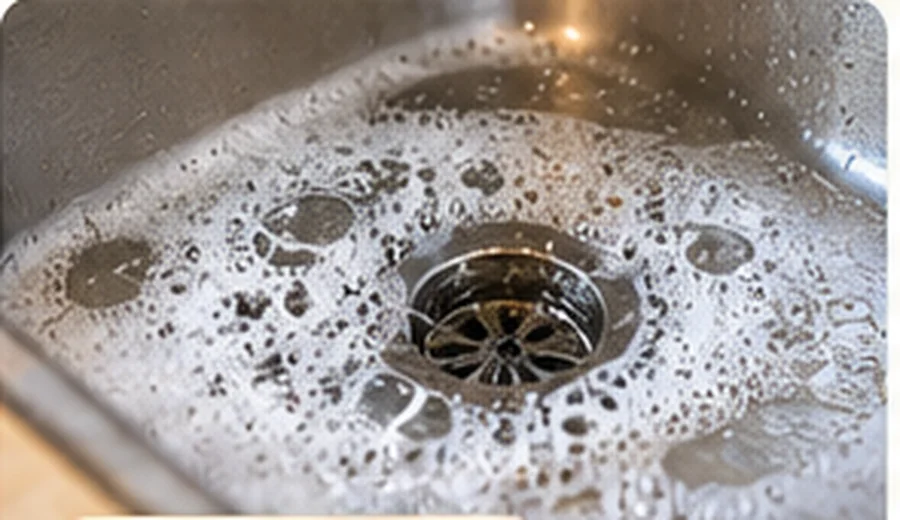
A local blockage near the drain opening
Hair, soap, toothpaste, and food particles can collect close to the sink opening or stopper. This is especially common in bathroom basins, where hair can wrap around moving parts. In kitchens, crumbs and grease can collect around the strainer and drain entrance. Remove visible debris only where it is safely accessible and avoid pushing material deeper with a sharp object.
The P-trap may be collecting debris
The curved pipe below a sink is designed to retain water and prevent sewer gases from entering the room. It can also collect material that passes through the drain. A trap restriction may affect only one fixture. Opening the trap can release dirty water and expose worn seals, so it is not a task to attempt without the right tools and confidence.
Grease and residue farther down the line
Grease can coat pipe walls and catch particles over time. A slow sink that improves briefly and then slows again may have a restriction beyond the visible drain opening. Hot water or detergent may move some material temporarily but should not be considered a dependable fix for accumulated grease. Keep oils and fats out of the drain and wipe cookware before washing.
A vent or shared drain concern
If more than one fixture is slow, or a sink gurgles when another fixture drains, the issue may involve shared piping or venting. The pattern is important but does not establish a diagnosis. Write down which fixtures are affected and whether the symptoms happen together. This information can help a professional decide what to inspect.
Safe first steps
Stop running water if the basin is close to overflowing. Remove a visible sink strainer and clean it if the design allows. Check whether the stopper is fully open. Do not mix chemical cleaners, and tell the service provider if any drain product has already been used. Avoid using a tool that could puncture a pipe, damage a finish, or become stuck.
Why repeated chemical treatment is not a plan
Drain-opening products differ in ingredients and instructions. Combining them can create dangerous reactions, and leftover chemicals can splash if a trap or pipe is opened later. Read product labels carefully and never combine cleaners. For recurring slow drainage, locating the restriction is more useful than repeatedly adding stronger chemicals.
Granite Bay and Roseville guidance
For a property in Granite Bay, share ZIP code 95746. For a property in Roseville, share ZIP code 95661; Roseville is a separate service area. Whether the property is a residence or commercial location, identify the affected fixture and whether other drains are involved. These details make the phone conversation more efficient.
When to call about a slow sink
Call if the slow drain persists, returns soon after clearing, produces recurring odors or gurgling, or affects several fixtures. Stop using affected plumbing if wastewater backs up. Repair Experts Granite Bay’s phone line is available 24/7 at 916-316-1930; the service scope and on-site timing are confirmed during the call.
Frequently Asked Questions
Can a slow sink become fully clogged?
Yes. Material that narrows the drain can continue to accumulate and eventually restrict water flow more severely.
Why does my sink gurgle when water drains?
Gurgling can be associated with air movement or a restriction in the drain or vent system. It needs context and inspection to identify the cause.
Is baking soda and vinegar a reliable drain repair?
It is not a dependable solution for every blockage. Persistent or recurring symptoms should be assessed rather than repeatedly treated with household mixtures.
Related service information
Explore kitchen sink drain cleaning, bathroom sink clog removal, and drain cleaning in Granite Bay. For Roseville properties, visit our Roseville service-area page.